Monday, 16 November 2026, story 2 of 4
Anthropic details layered, risk-based code review for Claude Code
Anthropic says merged pull requests to the Claude Code repo more than doubled between June and September while reverts fell by over 40%.
What happened
Anthropic has described how the Claude Code team reviews code as AI agents write more of it, InfoQ reports. Addy Osmani, Morgan Westlee Lunt and Qing Wang set out the process. Anthropic says merged pull requests to the Claude Code repository more than doubled between June and September, while the proportion of changes needing a revert fell by over 40%.
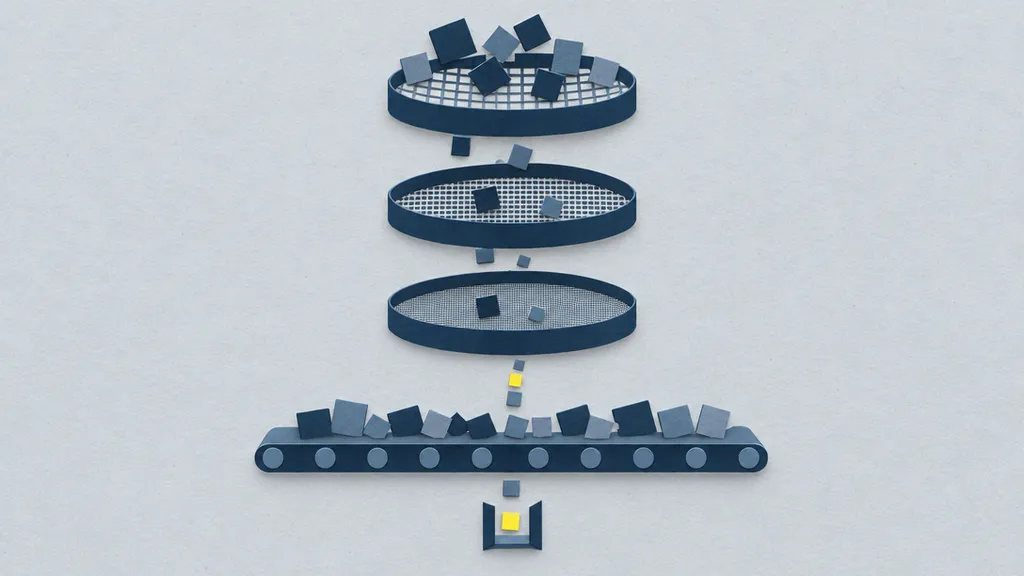
Before a pull request opens, Claude runs tests, builds and linters, and a separate agent reviews the change in a fresh context. Claude-powered reviewers then check each pull request, and a security review can block a merge. Human approval scales with risk: none for low-risk changes, one person for medium, two for high. CI workflow changes always need a human.
What it means
The notable idea is the unit of review. The team ties human attention to the risk of a change, not to how much code a person has read. Teams shipping agent-written code could borrow the tiers, the fresh-context reviewer and the rule that sensitive areas such as CI always get a person.
The figures are Anthropic's own, from its internal repository, and the source does not say how risk levels are assigned or whether the tooling is available to others. The three-round cap on review cycles addresses a familiar problem: automated reviewers that never stop commenting. The feedback loop of incidents and reverts into an evaluation dataset is worth watching, since it would let a team measure its reviewers rather than trust them. Accountability stays with the person directing the agent, which is a policy any team can adopt now.
What to do: If agents write much of your code, draft explicit risk tiers for human approval and track reverts and review rounds, so you can measure whether automated review is working.
Source
Filed under Coding tools. Published .
"What it means" is analysis, not reporting. Found an error? Write to daily@vibitely.com.